
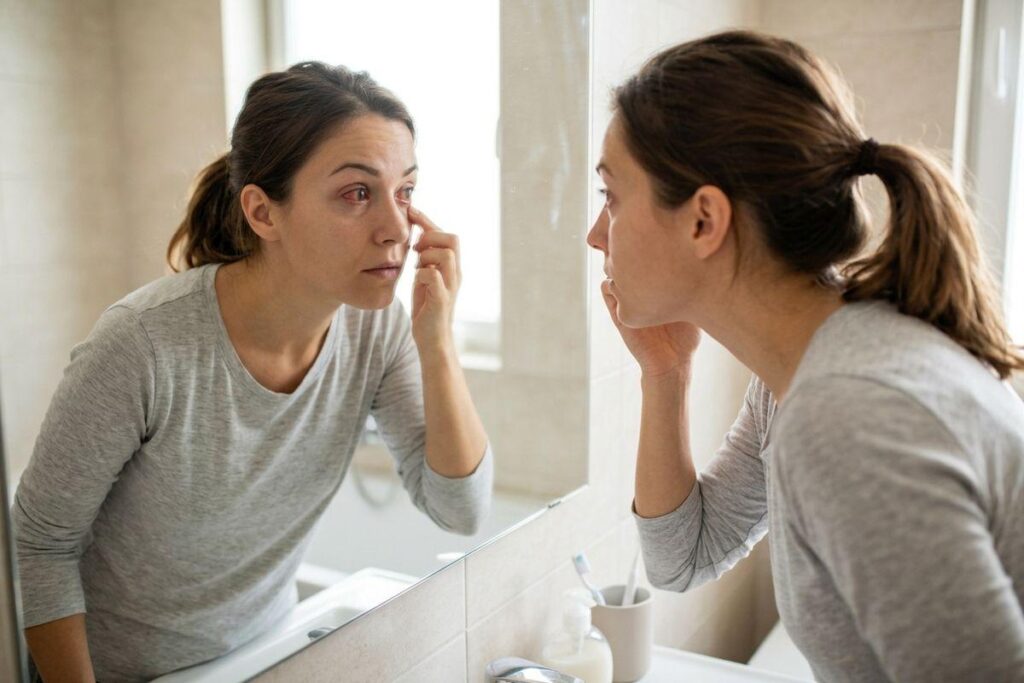
Waking up with itchy, inflamed eyes can bring immediate frustration to a morning routine. You may not be sure if it’s allergies or something contagious, and you don’t want to guess wrong, especially if your child is the one suffering. This confusion is one of the most common reasons families reach out to their optometrist for help. Knowing the difference early can save you time, discomfort, and a lot of guesswork.
Allergic reactions occur when your immune system overreacts to typically harmless environmental triggers, such as pet dander or pollen, whereas pink eye involves an active viral or bacterial infection and requires entirely different care. Recognizing the subtle signs can prevent unnecessary discomfort and stop the spread of germs.
Identifying an Allergic Reaction
Allergies occur when your body mistakenly identifies everyday substances as dangerous medical threats. Your immune system releases specific chemicals called histamines to fight off these perceived invaders. The resulting inflammation can make the eyes feel incredibly dry and scratchy.
Watch for these signs that point toward an allergic reaction:
- Intense, persistent itching, typically in both eyes
- Clear, watery discharge
- Puffy or swollen eyelids, especially noticeable upon waking up
- Accompanying respiratory issues like sneezing and nasal congestion
That combination of eye and nose symptoms together is a strong signal that an allergen is involved. These symptoms frequently flare up during specific times of the year. Tree, grass, and weed pollen sweep across Alberta throughout spring and summer, though indoor triggers like pet dander, mold spores, and dust mites cause year-round frustration for sensitive individuals.
Signs It Could Be Pink Eye
Pink eye has its own distinct pattern. The discharge is thicker and often yellow or green. One of the clearest signs is waking up with your eyelid crusted or stuck shut after a night’s sleep.
Pink eye can also be called conjunctivitis, and the confusion between pink eye and allergies often stems from the fact that allergies are, in fact, a type of conjunctivitis. Namely, it’s allergic conjunctivitis. “Pink eye” typically refers to bacterial or viral conjunctivitis.
Each type behaves a little differently, so recognizing the specific pattern matters:
- Viral conjunctivitis: Starts in one eye and may spread to the other, often with watery discharge and redness
- Bacterial conjunctivitis: Thick yellow or green discharge from the eye, with eyelids that crust over during sleep
Noticing these symptoms is one of the best ways to figure out what’s affecting you. For example, crusty lids in the morning rarely point to an allergic reaction. If you wake up with an eye you can barely open, you should probably call your optometrist.
Can an Allergy Affect Just One Eye?
It’s possible, but uncommon, for allergies to only affect a single eye. Allergy symptoms typically show up in both eyes at once because the immune response travels through your whole system.
There are situations where only 1 eye is exposed to an allergen, such as rubbing one eye after touching a cat, which can cause a localized reaction. But as a general rule, symptoms in only a single eye point more toward an infection than an allergy. If just 1 eye is red, swollen, or producing discharge, an optometrist can help figure out what’s actually going on.

How Each Condition Is Treated
Eye allergies and pink eye look similar at a glance, but they require different approaches to manage.
Eye Allergy Relief
The goal for treating eye allergies is to calm the immune response. Antihistamine eye drops can help reduce itching and redness fairly quickly. Oral antihistamines are another option, especially if nasal symptoms are also present.
Apply a cold compress over your closed eyelids for quick relief, and use artificial tears to flush out irritants and keep things comfortable. If dryness and irritation stick around even after the allergy symptoms settle, you may want to explore dry eye therapy with your eye doctor.
Pink Eye Treatment
Treatment for pink eye depends on the type. Bacterial pink eye typically requires prescription antibiotic drops to clear up. Viral pink eye doesn’t respond to antibiotics but usually clears up on its own within 1 to 2 weeks. Keep your hands clean and avoid touching your eyes to help reduce the chance of spreading it to others or to your other eye.
When to See Your Optometrist
Some eye irritation settles down in a day or two. Other times, it doesn’t, and waiting too long can make things worse.
It’s worth booking an appointment if you notice:
- Symptoms that last more than a few days without improvement
- Pain inside the eye, changes in vision, or significant swelling
- Uncertainty about whether you or your child has allergies or an infection
Getting a clear diagnosis saves you time and discomfort. Our team at Doctors EyeCare in Red Deer can take a close look at what’s happening and help you choose the right path forward. Book an appointment and get the answers your family needs.